Share
Stage 2 Science – Living Things / Feathers, Fur or Leaves
Program Overview
This hands-on science program invites Stage 2 students to explore the fascinating world of living things. Through guided outdoor and indoor investigations, students will learn how to identify, classify, and understand the needs of living things.
Students will:
- Investigate the external and internal features of living things and how they help them survive.
- Examine the interdependence between living things and their environments.
- Use scientific tools and techniques to observe, record, and classify.
Syllabus inquiry questions
How can we group living things?
What are the similarities and differences between the life cycles of living things?
How are environments and living things interdependent?
Learning experiences
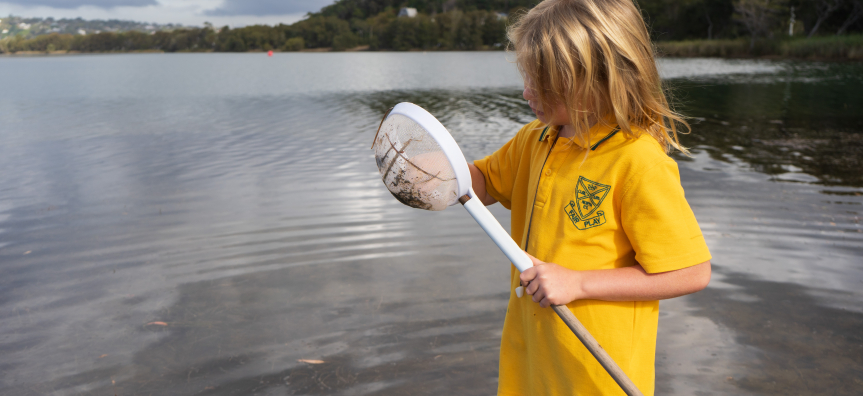
- Dip Netting in the Lagoon – Search for aquatic creatures and explore their needs and life processes.
- Squid Dissection – Examine the internal and external features of a cephalopod to understand its adaptations.
- Interactive Challenge in the CEC – Learn and consolidate understanding of the seven life processes through hands-on activities.
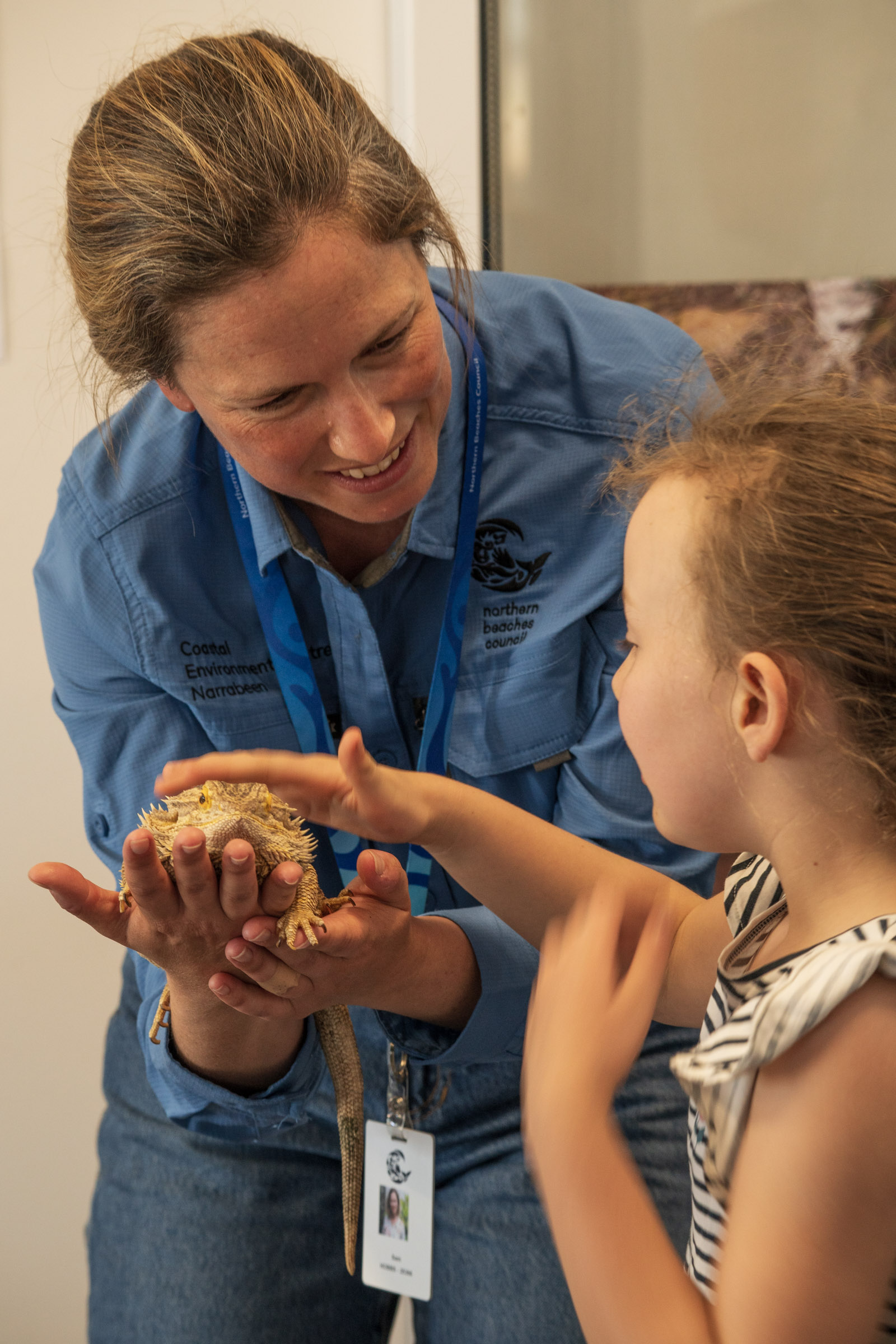
- Classification and Dichotomous Keys – Get up close to marine and terrestrial animals while exploring how scientists group living things.
Key syllabus outcomes
This program supports outcomes from the NSW Science and Technology K–10 Syllabus, particularly:
- ST2-4LW-S: Describes how living things grow and change.
- ST2-5LW-T: Describes how living things depend on each other and the environment to survive.
- ST2-10LW: Students describe that living things have life cycles, can be distinguished from non-living things and grouped, based on their observable features.
Location
The program is delivered at the Coastal Environment Centre, North Narrabeen. Students will explore nearby bushland, wetlands, and coastal zones.